

Restaurant PR, Events & Growth
The Guest List Is the Strategy: Building a Brand Event That Creates Lasting Connections
A practical guide to guest lists, hosting, content and follow-up for brand events that bring the right people together.
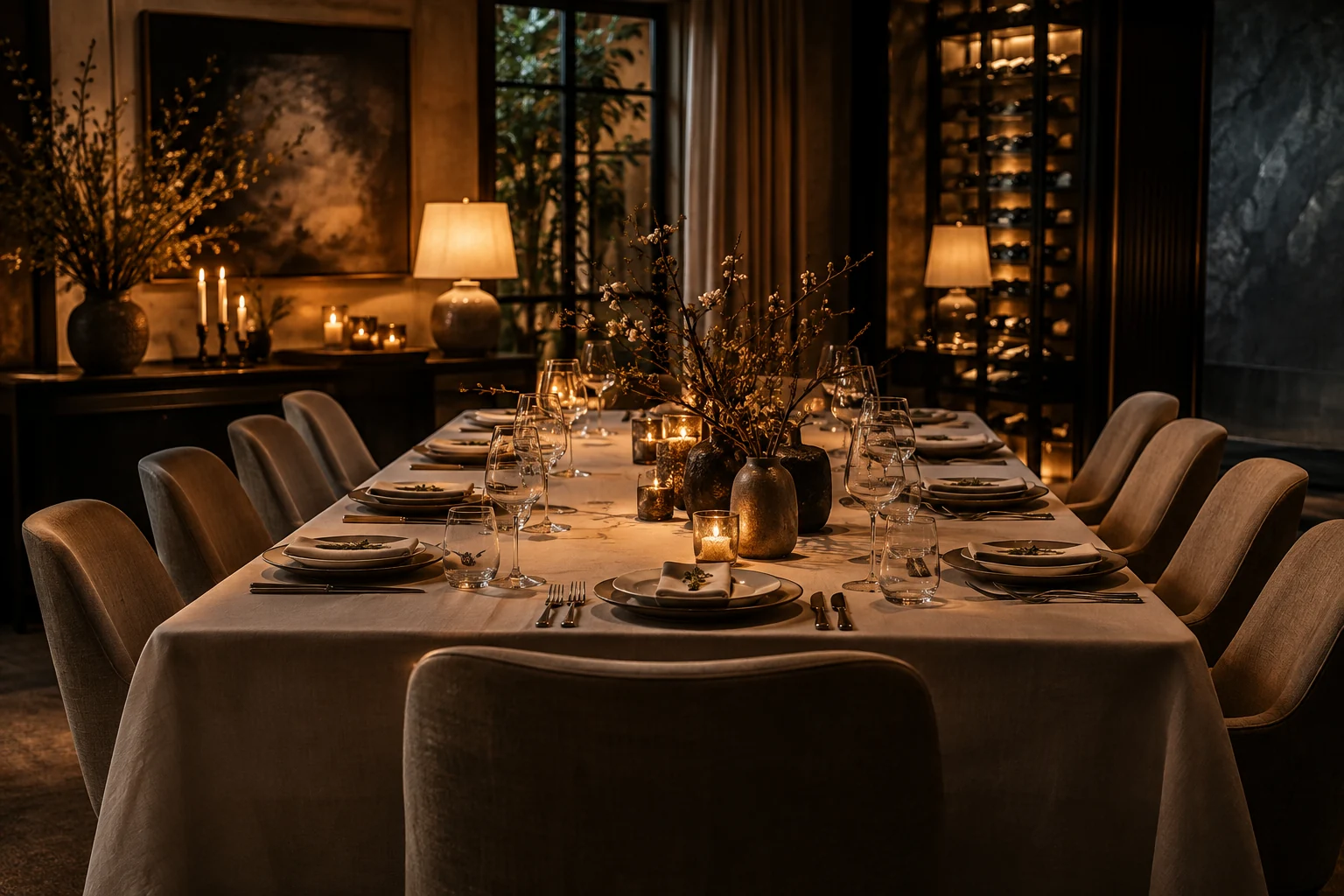
A useful brand event begins with the people you want to bring together and the relationship you want to create. The venue, menu and visual details should support that purpose. A full room is a welcome outcome; a room where the right conversations happen is a more valuable brief.
For hospitality, fashion, lifestyle and travel brands, the guest list is therefore part of the strategy. It shapes the experience on the night, the stories that leave the room and the opportunities available afterwards.
Start with the conversation, then build the room
Before choosing a date or sending invitations, finish this sentence: “After this event, we want the right people to understand, feel or do…”
The answer might be to understand a hotel’s new direction, experience a restaurant’s approach to hospitality, see a collection in context, meet a founder or consider a future partnership. Be specific enough that the answer can guide a decision about who should attend.
An event trying to serve too many purposes can become difficult to host. A media introduction, a creator content session and an intimate partner dinner may need different formats. They can belong to the same campaign without sharing the same guest list or timetable.
Invite for relevance and contribution
Audience size is useful context, but it does not explain why someone belongs in the room.
For each prospective guest, consider their connection to the brand’s audience, their interest in the subject and the contribution they might make to the conversation. An editor, a local tastemaker, an established customer and a potential commercial partner can each bring something different.
A practical guest-list brief can include:
- why this person is relevant to the event;
- what would make attending worthwhile for them;
- who they would benefit from meeting;
- what information or access they may need;
- who on the hosting team owns the relationship.
This approach also makes invitations more personal. A clear reason for someone to attend is stronger than a generic promise of an exclusive evening.
Make the format match the relationship
A standing reception encourages movement and a larger number of short conversations. A seated dinner gives people more time together. A small preview can offer the access and detail that a busy launch cannot.
Choose the format around the experience you want guests to have. If your founder’s story matters, create a moment where it can be heard. If the product needs explanation, allow time to handle it, taste it or ask questions. If introductions are the purpose, give the hosts the space to make them properly.
The best practical test is to imagine the event from a guest’s perspective: arriving, finding their bearings, meeting someone, experiencing the brand and leaving. Any awkward gap in that journey belongs in the planning brief.
Give your hosts a real role
Hosting is more than checking names at the door.
A host should know who is coming, which introductions matter and how to help a guest enter a conversation comfortably. Brief the team on a small number of useful connections, rather than expecting everyone to memorise a long spreadsheet.
Think about seating, arrival times, dietary needs, accessibility and the rhythm of service. These details affect how welcome people feel and how easily the evening works. Collect what you need to host well, explain why you need it and keep guest information within the team that needs access.
A thoughtful introduction is specific: why these two people should meet, and what they may have in common. It gives the conversation somewhere to begin.
Plan for content without turning guests into production staff
Some events exist partly to create coverage or content. Be clear about that purpose and about any agreed deliverables before the event.
Prepare the useful materials: accurate names, product information, image access, relevant links and a contact who can answer follow-up questions. Make the setting practical for photography where that is part of the brief, while leaving room for people to enjoy the experience.
Attendance alone should not be treated as a promise of coverage. Agreed creator work and editorial invitations need clear expectations appropriate to each relationship. Your event plan should reflect those distinctions.
Decide how you will recognise progress
Set the measures before the invitations go out. Depending on the objective, useful signals could include relevant attendance, substantive media enquiries, agreed content delivered, meetings arranged, partner conversations or enquiries about the featured venue or product.
Where people are directed to a website, use consistently tagged campaign links. Google explains how campaign parameters help identify referring campaigns in its guide to collecting campaign data with custom URLs. Keep the naming consistent across invitations and follow-up materials, and avoid putting personal information into campaign tags.
Treat website activity as one part of the picture. A valuable relationship may begin at the table and progress through several conversations before it produces a measurable commercial outcome.
Let the follow-up carry the evening forward
The day after an event should not begin with a search for everyone’s contact details.
Prepare an appropriate follow-up plan in advance. That could mean sharing requested information, supplying images, connecting two guests with their agreement or arranging a more focused conversation. Record promises made on the night so that someone takes responsibility for fulfilling them.
The strongest follow-up is relevant to what actually happened. It should help the relationship move forward, without treating every attendee as the same sales lead.
At Bridge PR, we think about events as opportunities to connect people, places and brands with purpose. If you are planning a launch, a private dinner or a brand experience, connect with us to discuss the people you want in the room and what you want that introduction to make possible.