

Restaurant PR, Events & Growth
How to Launch a New Restaurant in Brisbane: A 90-Day PR, Social Media & Creator Marketing Plan
A practical 90-day Brisbane restaurant launch plan covering PR, social media, creators, local search, soft openings and bookings.
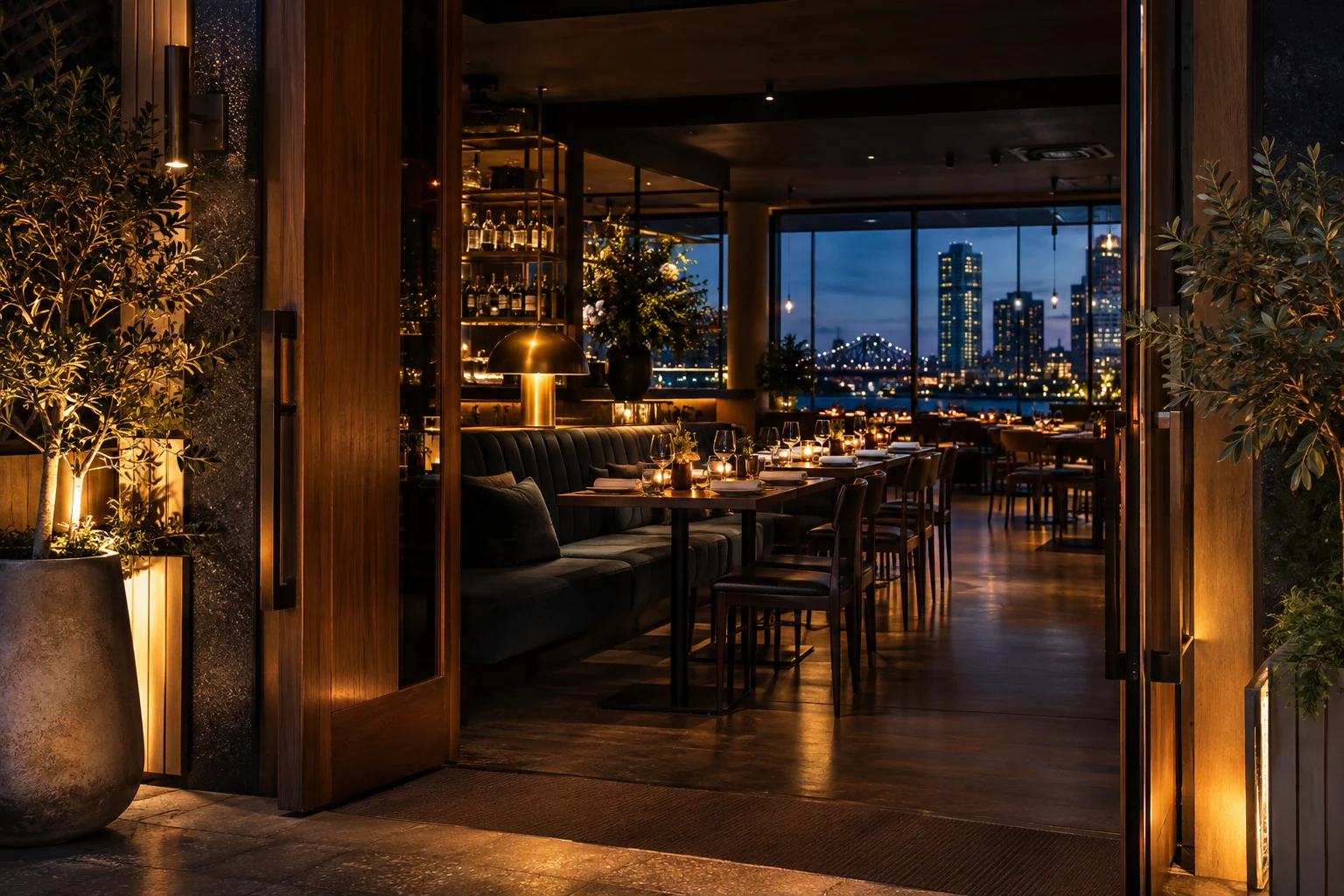
Opening the doors is not the beginning of a restaurant launch.
By the time your first paying customer walks in, people should already know your name, understand what makes the venue different and have a reason to want a table.
For a new Brisbane restaurant, the 90 days around opening are one of the strongest marketing opportunities the business will ever have.
You are genuinely new. There is a story to tell. Local media may be interested. Food creators want to discover new venues. Google is learning that your business exists. Potential customers are seeing the fit-out, menu and team for the first time.
The mistake is waiting until everything is finished before telling anyone.
A stronger launch builds attention progressively.
90–60 days before opening: Build the foundations
At this point, the restaurant may still look more like a construction site than somewhere people will want to spend Friday night.
That's fine.
Your marketing does not need finished food photography yet. It needs a clear story.
Start by answering five questions:
- What is the restaurant?
- Who is it for?
- Why did you choose this location?
- Who are the people behind it?
- Why should Brisbane care that it is opening?
“Modern Australian dining with quality ingredients” isn't enough.
Perhaps you're bringing regional Sicilian cooking to Paddington. Maybe you're opening a late-night restaurant in Fortitude Valley that takes food as seriously as cocktails. Perhaps a chef who has spent ten years working in other people's kitchens is finally opening their own 35-seat restaurant.
That's the story.
Get the operational foundations moving too
Marketing cannot compensate for a venue that isn't ready to trade.
Depending on the premises and project, restaurants and cafés may need relevant planning, building, food-business, signage or liquor approvals. These operational requirements sit outside the marketing plan, but they can determine the opening date the marketing team is promising.
Don't announce a date the operation cannot support.
Secure your digital real estate
This is also the time to establish:
- website and domain
- TikTok where appropriate
- Google Business Profile when eligible
- booking platform
- email database
- accurate address and contact information
Your social handles should be as consistent as possible.
The website does not need to be enormous. It needs to clearly explain what is coming, where it is and how someone can stay informed.
For a broader overview of how these pieces work together, our restaurant launch marketing plan covers the wider launch journey from pre-opening through to ongoing customer acquisition.
60–45 days before opening: Start telling the story
This is where the launch becomes visible.
You don't need to reveal the entire menu. Show people enough to become curious.
The people
Introduce the chef, owners, restaurant manager, bartender or other people central to the experience.
The location
Why this part of Brisbane? Show the street, neighbourhood and building.
The build
Fit-out progress can be compelling because customers get to watch something take shape.
The food
Show ingredient testing, menu development, producers, techniques and early dishes.
The idea
Explain why the restaurant exists.
The objective is not simply to announce “coming soon”. It is to make people gradually understand what is coming and why they might care.
45–30 days before opening: Prepare your PR campaign
Now the story should be concrete enough to take to media.
A restaurant opening press release should establish the facts quickly:
- venue name
- suburb
- expected opening
- owners
- chef
- concept
- food and beverage direction
- design
- capacity where relevant
- opening hours when confirmed
- website and booking information
- media contact
But the press release itself isn't the pitch.
A Brisbane food publication may care about the chef and menu. A local publication may care about what the opening means for the suburb. A design publication may care about the architect or interior. A business publication may care about the operators or investment story.
The question is not “How do we get media to promote our restaurant?”
It is “What is genuinely interesting about this restaurant to this publication's audience?”
Our guide to restaurant media outreach goes deeper into identifying the right media, developing a relevant angle and approaching journalists without turning the pitch into a generic advertisement.
Around 30 days out: Get serious about Google
A customer can discover you on Instagram and immediately search the restaurant name on Google.
If they find almost nothing, you've created interest without providing confidence.
Make sure the information customers find agrees with the information on your website and social channels.
Pay particular attention to:
- exact venue name
- address and map location
- opening date and hours once confirmed
- website
- booking pathway
- phone
- menu
- photographs
This is also the point to think seriously about local SEO for restaurants, so search engines have clear and consistent information about what your venue is, where it is and what it offers.
If you're opening an Italian restaurant in Paddington, for example, your website should make that fact extraordinarily easy for customers and search engines to understand.
30–21 days before opening: Build the creator list
The objective isn't simply to invite influencers.
It's to find the right food influencers for the venue, location and customers you're trying to reach.
Do not start by searching for the biggest Brisbane food influencer you can find. Start with the audience.
Ask: Who do we need to know about this restaurant?
Then find creators who already speak to those people.
Look at:
- audience location
- hospitality niche
- content quality
- storytelling
- previous restaurant work
- professionalism
- brand fit
- genuine engagement around recommendations
A smaller creator with a concentrated Brisbane audience may be more valuable to a local restaurant than a much larger account with followers scattered around Australia and overseas.
Build creator tiers
You might separate creators into:
Priority creators — highly relevant people you specifically want experiencing the venue.
Local discovery creators — creators with strong Brisbane or neighbourhood audiences.
Niche creators — wine, luxury, family, vegetarian, travel, design, nightlife or another audience relevant to the concept.
UGC creators — creators selected primarily because they can produce excellent assets for the restaurant's own channels.
These are different jobs.
Once you've selected creators, a clear restaurant influencer brief can set expectations around the experience, deliverables, timing, usage rights and disclosure.
21–14 days before opening: Soft launch
A well-planned restaurant soft opening should be a test, not merely a party.
Invite people into the venue and observe what actually happens.
Can they find it? Does the booking confirmation make sense? Do customers understand the menu? Is the pacing right? Which dishes generate conversation? What do people photograph without being prompted? Which questions keep getting asked?
This is useful marketing intelligence because it tells you what real customers notice.
Capture the restaurant while it is alive
You should now capture the content that wasn't possible during construction:
- full dining room
- dishes arriving at tables
- drinks
- service
- exterior at night
- arrival
- chef
- kitchen
- staff
- customer-perspective video
- vertical short-form video
- high-resolution editorial photography
One strong production period can provide weeks of launch content.
14–7 days before opening: Creator and media previews
This is where your launch ecosystem starts working together.
Selected media may be offered appropriate access. Creators can experience the venue. Your own social channels become much more active. The website is complete. Bookings are open. Google information is current.
This is also when targeted restaurant media outreach can give journalists enough time to understand the story, request information and potentially plan coverage.
Be clear about creator relationships
If a creator is paid or receives a complimentary experience in exchange for promotional content, disclosure matters.
Australian Consumer Law applies to social-media advertising and incentivised promotions. The practical lesson for hospitality is straightforward:
Don't ask creators to make commercial content look like an accidental organic recommendation.
A clearly disclosed partnership can still be compelling content.
Opening week: Give people a reason to act now
By opening week, the campaign should shift from something is coming to you can experience it now.
Content should answer practical questions:
Where is it? When is it open? What should I order? What does it cost? What does the room feel like? Do I need a booking? Who is it good for? What makes it different?
Your best-performing launch content may now be worth supporting with paid distribution.
But don't boost content simply because it received likes. Support creative that communicates the restaurant clearly to the customers you want.
Days 1–30 after opening: Don't disappear
This is where many launch campaigns fall apart.
The restaurant spends heavily before opening, fills the first week and then marketing activity drops dramatically.
Opening isn't the finish line.
Now you have something more valuable than launch hype: real customers.
Your next month of content should include:
- customer occasions
- signature dishes
- staff
- chef stories
- reviews
- media coverage
- creator content
- FAQs
- menu discoveries
- behind-the-scenes moments
- neighbourhood content
- events
- reasons to return
You also have real data.
Which dishes are people ordering? Which creator content generated useful attention? Which searches are appearing? Where are bookings coming from? What questions are customers asking? What are reviewers saying?
Your marketing can now move from assumptions to evidence.
The 90-day restaurant launch framework
90–60 days: Positioning, brand story and digital foundations.
60–30 days: Pre-opening storytelling, content production planning and PR preparation.
30–14 days: Google and local visibility, creator selection, media outreach and booking launch.
14–7 days: Soft opening, content capture, creator and media previews and operational refinement.
Opening week: Maximum coordinated visibility with clear booking and customer information.
First 30 days: Turn launch attention into an ongoing content, search, PR and customer-acquisition system.
For the wider strategic framework behind these stages, read our restaurant launch marketing plan.
The biggest restaurant launch mistake
The biggest mistake is treating marketing as something you switch on when the venue is ready.
By then, you've lost weeks of story.
People like watching something become real. They like meeting the people behind it. They like discovering somewhere before everyone else. And media and creators need time to plan.
The strongest restaurant launches don't manufacture hype at the last minute.
They build familiarity before opening, create a reason to care, make discovery easy and then give customers a clear reason to book.
Opening a restaurant, café or bar in Brisbane?
Bridge PR works with hospitality venues across launch strategy, social content, creator partnerships and PR-style storytelling, helping turn attention around an opening into real customer discovery.