

Paid Media
New Year's Eve Ads for 31 December 2026: A Paid Media Plan for Queensland Venues, Hotels and Events
A New Year's Eve ad plan for Queensland venues, hotels and events: when to spend from November, how to show ticket prices and which alcohol ad rules apply.
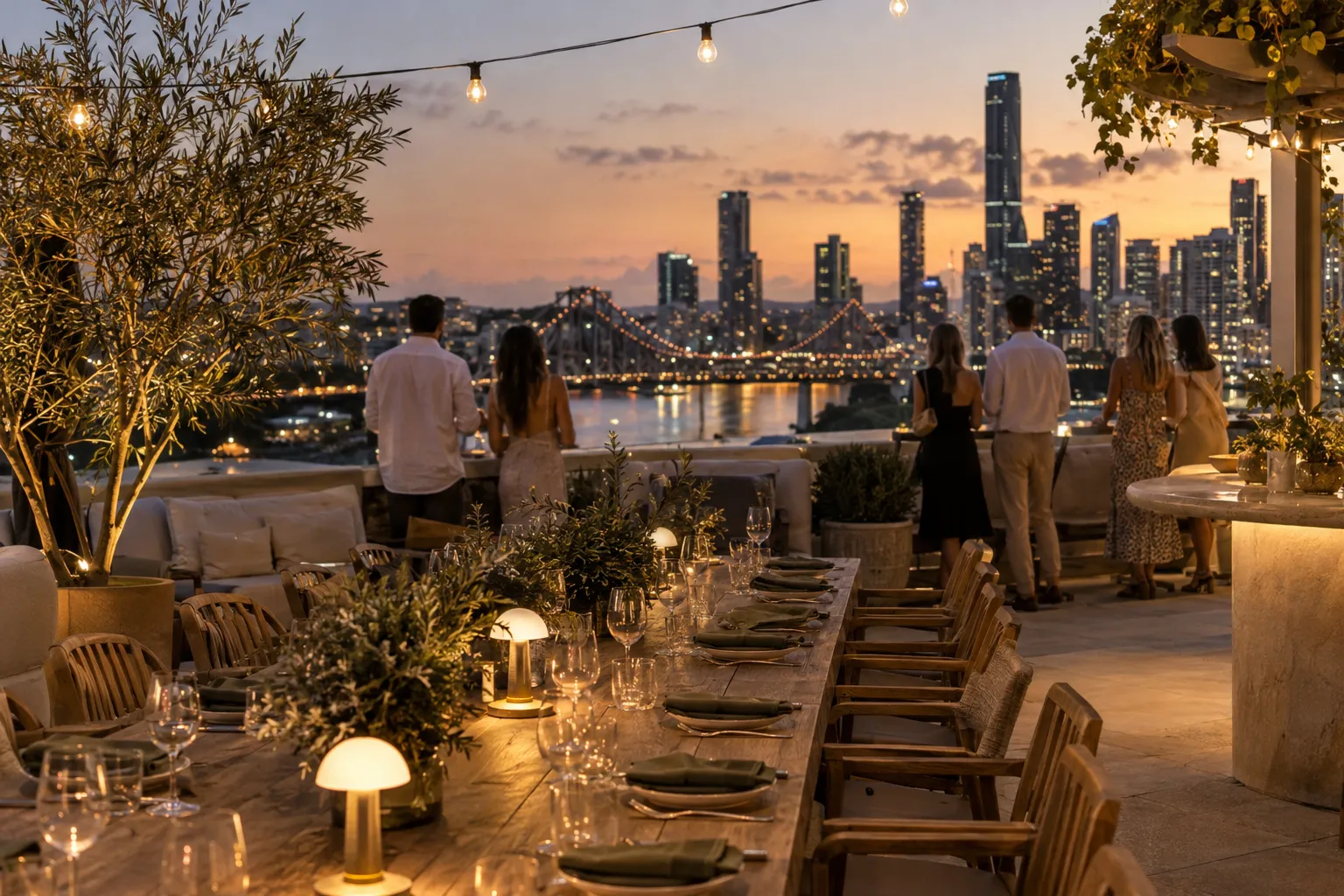
Queensland venues, hotels and event organisers selling New Year's Eve this year should have their ads built and tracking tested by 22 November, spend most of the budget between late November and 20 December, and keep money aside for a final push from Sunday 27 to Thursday 31 December. Budget usually leaks in two places. The price in the ad doesn't match the checkout, or the ads keep running after the room has sold out because nobody on leave can pause them.
This is for the owner or marketing manager of a bar, restaurant, rooftop, hotel or ticketed event with a New Year's Eve product and a finite budget. You're deciding how to split that budget across the next seven weeks and between Meta and Google, and what the ads can legally say about price and alcohol.
A Thursday New Year's Eve gives hotels a long weekend to sell
New Year's Eve falls on Thursday 31 December 2026, and New Year's Day on Friday 1 January 2027, with the weekend straight after. A guest who takes Thursday off gets four days in a row, which gives hotels a reason to sell two or three nights instead of one. For many guests 31 December is still a working day, so set early sitting times people can reach after finishing up.
An illustrative hotel offer could pair rooms for 31 December and 1 January with the New Year's Eve dinner, a late breakfast and a late checkout on Saturday 2 January, with a third night to Sunday as an add-on. A venue without rooms can advertise a New Year's Day lunch on Friday 1 January once the main event sells down.
Put the total ticket price in the ad
Under the ACCC's guidance on component pricing, if you promote part of a price you must also show the total price as a single figure, at least as prominently as the part price. The ACCC's own worked example is a ticket, with a booking fee, ticket insurance and GST rolled into one figure. For New Year's Eve, the price in every ad and on the event page should be what a guest actually pays for a standard ticket, including any compulsory booking fee. Before the ads go live, buy a ticket on your own checkout and check that the final screen matches the ad.
You may have read about the Competition and Consumer Amendment (Unfair Trading Practices) Act 2026. Its new rules commence on 1 July 2027, so they do not govern a December 2026 campaign. This year's ads answer to the Australian Consumer Law as it already stands.
Run the campaign in four phases
From mid-November you have about seven weeks. Spend it in this order.
- Now to 22 November: set-up and early release. Finish the event page, confirm conversion tracking, build audiences and run a modest early-release campaign to your warmest people, such as past guests and email subscribers.
- 23 November to 20 December: the main selling window. Most of the budget goes here. Rotate creative every week or two so the same people are not seeing the same video for a month.
- 21 to 26 December: Christmas week. Christmas Day is a Friday and Boxing Day a Saturday. Lower spend and favour people who already know the event over new prospecting.
- 27 to 31 December: final push. Sunday to Thursday. Tighten the location radius and update the creative to state what is left ("tickets for the terrace only", "dinner sittings from 9pm").
If you have last year's ticketing data, shift these dates to match when your own guests actually bought.
Use Meta to create demand and Google to catch people already looking
The two platforms do different jobs, as we explain in Google Ads vs Meta Ads for restaurants. On Meta, people are not searching for anything, so a video of the room at night and the view at midnight has to create the want. On Google, people are already typing phrases like "new year's eve dinner Brisbane" or "NYE rooftop Gold Coast", and your job is to be the clear, priced answer.
On Google, add negative keywords such as "free" and "fireworks map" so you are not paying for people looking for a spot on the riverbank. On Meta, build an audience of people who have visited your event page or watched most of your video, and keep budget aside to show them the final release with its price and remaining sittings.
Alcohol in the creative changes who can see it
If your ad shows or mentions alcohol, whether that's a champagne toast at midnight or a busy bar, treat it as an alcohol ad. Meta's alcohol policy requires ads promoting or referencing alcohol to follow local laws and industry codes, and they may never be targeted at people under 18.
If you also run an all-ages early session, build it as a separate campaign with creative that does not reference alcohol. That lets the family offer reach younger guests without breaching the age rule.
Keep scarcity claims true under the law as it stands
Tiered releases work because the price genuinely moves and guests understand that. Say "second release" when the first has actually sold out, and "final tickets" only when they are.
None of this is waiting on new legislation. A countdown timer that resets every time someone opens the page, or a "final tickets" banner while half the room is unsold, is likely to be misleading conduct under the current Australian Consumer Law. The ACCC's guidance on false or misleading claims says a business must be able to prove any claim it advertises, and that it makes no difference whether the business meant to mislead. In its case against Emma Sleep, which ended in $15 million in penalties, the ACCC pointed to a countdown timer that reset itself. Honest numbers ("40 dinner seats left for the 8pm sitting") persuade better anyway, and they hold up if a guest screenshots the ad.
Target by travel time, then tighten as the night gets closer
A Brisbane hotel selling the long weekend might target the Gold Coast, Sunshine Coast, Toowoomba and Northern New South Wales in November, when people still have time to plan travel. A neighbourhood bar might start wider, then shrink to a short drive or train ride in the final week. Our guide to geotargeting for restaurants covers how to set those radiuses.
Measure tickets sold, and roster someone to watch them
Judge each campaign on cost per ticket or cost per booking. December scrolling inflates clicks and video views, so those figures can look healthy while sales stall. Set up purchase tracking with your ticketing platform before you spend. If your platform cannot pass purchases back to Meta or Google, track with UTM-tagged links and check sales by source every few days.
The other risk is selling out while your ads keep running. Before the team goes on leave, agree:
- who has access to pause or edit every campaign between 24 and 31 December
- what capacity number triggers a pause or a switch to a waitlist
- what the ad changes to once the main event is full (the New Year's Day lunch, or a waitlist sign-up)
Paying for clicks to a sold-out page wastes money and frustrates the people you most want next year. For more on filling seats without discounting every night, see event marketing for restaurants.
Done well, your ads move on to the New Year's Day lunch within hours of the last dinner seat selling. If you'd like help writing ad copy that shows the full ticket price, or getting purchase tracking working with your ticketing platform before the end of November, Connect with Bridge PR.