

Travel & Hospitality
Hotel Creator Stays: Sell the Trip, Not Just the Room
Turn a hotel creator stay into a useful travel story, with a clear guest itinerary, accurate inclusions, agreed content rights and a measurable path to booking.
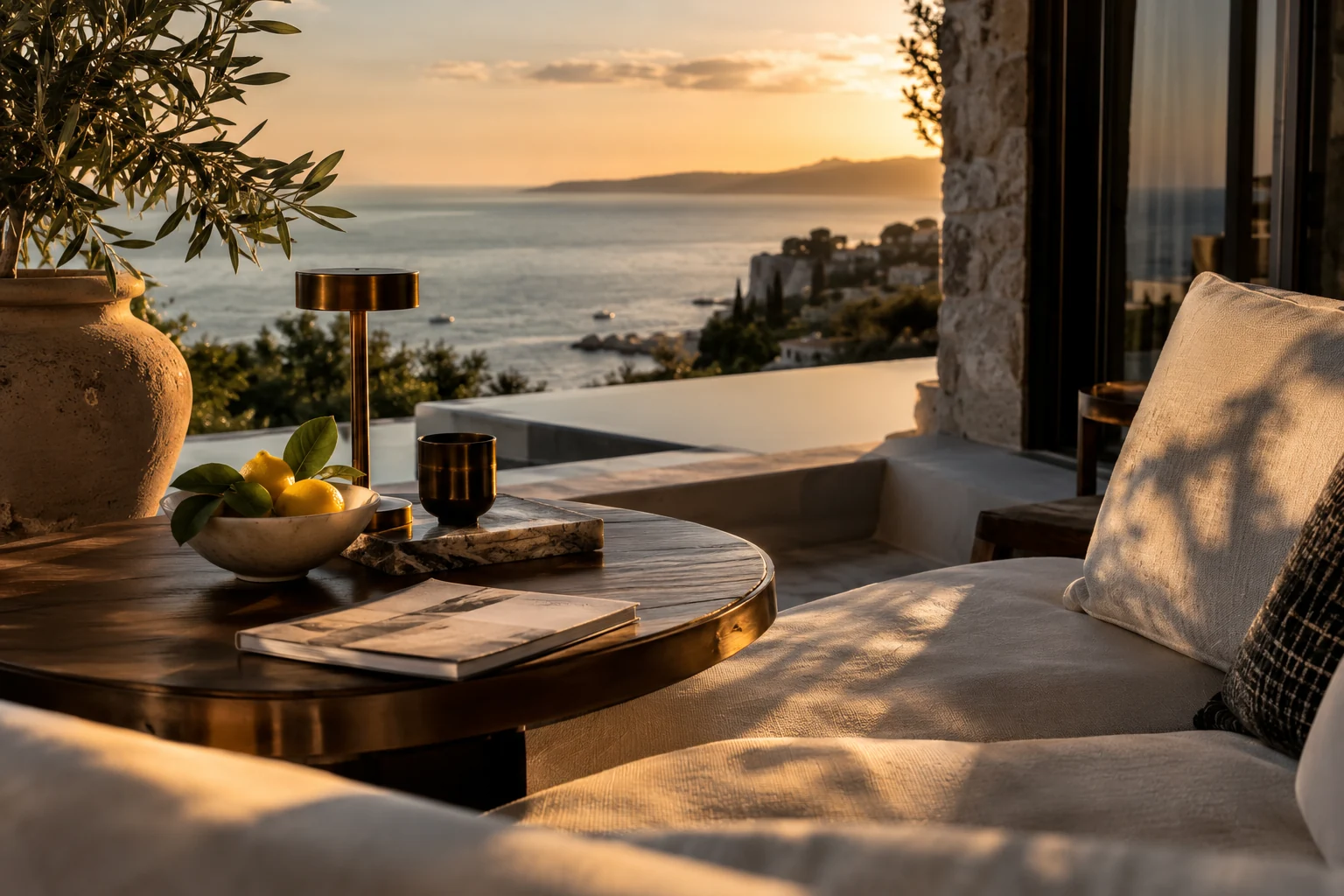
A useful hotel creator stay should show the right traveller how a trip could work, with the hotel as its base. Brief a believable itinerary, the practical details needed to book it and a clear next step. A beautiful room tour can introduce the property; it should not have to carry the whole campaign.
For boutique hotels, resorts and lifestyle accommodation, the central question is simple: why would someone choose this stay for this particular trip? Answer that before deciding how many videos to commission.
Start with one reason to travel
“Showcase our hotel” is too broad to guide a useful story. A couple planning a quiet anniversary weekend needs different information from friends travelling for a concert or parents organising a school-holiday break.
Choose one guest and one occasion. Then write a working premise: a two-night coastal reset with an unhurried breakfast, one local outing and time back at the property. This is an illustrative brief, not a package to advertise unless the hotel actually offers it.
Check that the room, location, services and price positioning support that premise. If the experience depends on a car, an upgrade or advance restaurant reservations, make those conditions part of the story.
Match the creator to the trip, not just the interiors
A creator can photograph a hotel beautifully without being the right person to explain its appeal. Review how they cover travel decisions: do they identify the room category, explain transport, distinguish inclusions from extras and show what happens beyond check-in?
Ask for recent audience geography and examples of relevant travel content. Treat these as selection evidence, not a forecast of bookings. Look at the substance of audience questions as well as the presentation.
For a food-led escape, a creator who can tell a strong dining story may be more useful than someone whose work centres on room reveals. For an accessible itinerary, work with someone whose relevant experience informs the brief, and verify specific access details with the property.
Build an itinerary that leaves room for the actual stay
Do not fill every hour with filming obligations. The creator needs time to experience the property, notice useful details and capture a coherent sequence without disrupting other guests.
An illustrative two-night structure could include:
- Arrival: show the journey into the property, check-in context and the actual room category.
- First evening: connect one hotel experience to the reason for travelling.
- Full day: feature one nearby activity, the journey there and time back at the hotel.
- Final morning: cover breakfast, departure logistics and the booking information viewers need.
Include a weather alternative. Confirm opening hours and supplier availability close to the stay, and again before publication if the content is delayed.
Any local business featured should have an agreed role. Do not imply that a restaurant, spa or tour is included in the room rate merely because it appears in the same video.
Capture the details that make the promise credible
Give the creator a concise fact sheet, with one hotel contact responsible for accuracy. Include room names, bedding, occupancy, included meals, parking arrangements, check-in details and any facilities affected by works or seasonal closures.
Then separate essential proof from optional atmosphere. A balcony view is useful evidence only if viewers understand which room offers it. A breakfast scene needs context if breakfast costs extra. An empty pool filmed before opening should not imply guests can swim at that time.
Let the creator choose their language and visual style. Request factual corrections, not a scripted claim that the stay was perfect. The brief should help them tell an accurate story in their own voice.
Agree the commercial boundaries before arrival
Set out deliverables, publication windows, review deadlines, fees, hosted inclusions and incidental expenses in writing. Specify whether the hotel can reuse the content, where, for how long and whether paid advertising or editing is included. Do not treat delivery of a video as permission for every future use.
Make the commercial relationship clear to the audience. In its 24 March 2026 statement on influencer reviews, the ACCC warned against failing to disclose compensation, including gifted products or services. For a hosted stay, plan a prominent, plain-language disclosure rather than leaving viewers to infer the arrangement from a thank-you.
Keep factual review separate from pressure for a positive endorsement. If an operational problem affects the visit, resolve what can be resolved and agree how any changed deliverable will be handled honestly.
Send interested viewers to the trip they just saw
The destination page should continue the same story. If the content features a particular room or stay offer, link to the relevant information rather than making visitors search the entire website.
Check that the page works on a phone, names the inclusions clearly and offers an obvious route to availability. Where no matching package exists, use an accurate room or itinerary page; do not invent a deal to simplify the campaign.
Use consistently tagged links where links can be placed. Google Analytics explains how campaign parameters identify referring traffic. Agree source, medium and campaign names before publication, with a content identifier to distinguish individual assets.
A tagged visit is not automatically a booking. If the booking engine sits elsewhere, ask your website provider to confirm what can actually be measured across that journey.
Review guest intent, not just the highlight reel
Agree a reporting window before the stay. Review available reach, saves, shares, destination-page visits, booking enquiries and attributable bookings separately. Record production and hosting costs alongside those results.
Read the questions too. Repeated requests about parking, breakfast or room types reveal information the next campaign should make easier to find.
The goal is a credible, useful picture of the trip and a measurable path towards booking—not a promise that every hosted stay will generate sales. Connect with Bridge PR to plan a hotel or lifestyle creator partnership around the guests you want to reach.